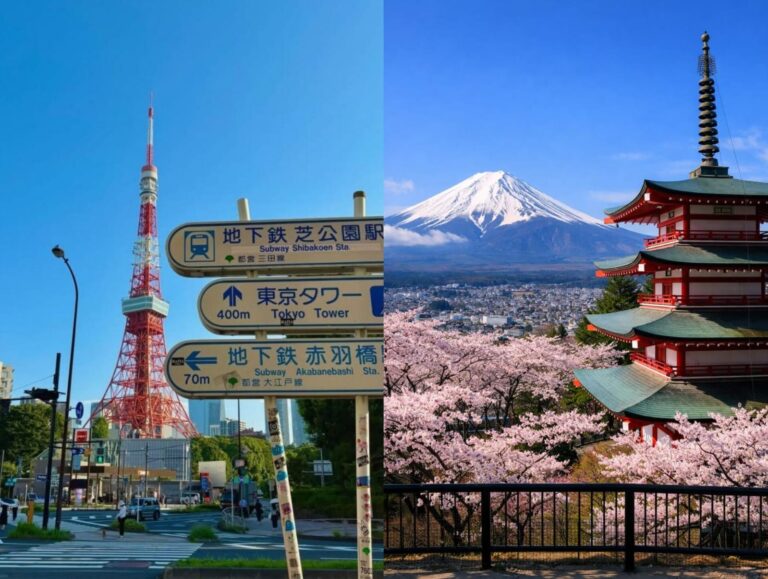
Japan’s train network is known for its efficiency, but navigating large stations can feel confusing for first-time visitors. Stations in Tokyo and other major cities may have multiple railway lines, several exits, underground shopping areas, and connecting passageways.
Learning how to navigate Japan train stations before your trip can save time, reduce stress, and help you enjoy your sightseeing plans.
1. Check Your Route Before Entering the Station
Before leaving your hotel, check which station you need, the train line you should take, and where you need to get off. Navigation apps can help you compare routes, departure times, and transfers.
Pay attention to the railway operator as well. Some stations serve several different train companies, so the correct platform or entrance may depend on the line you are using.
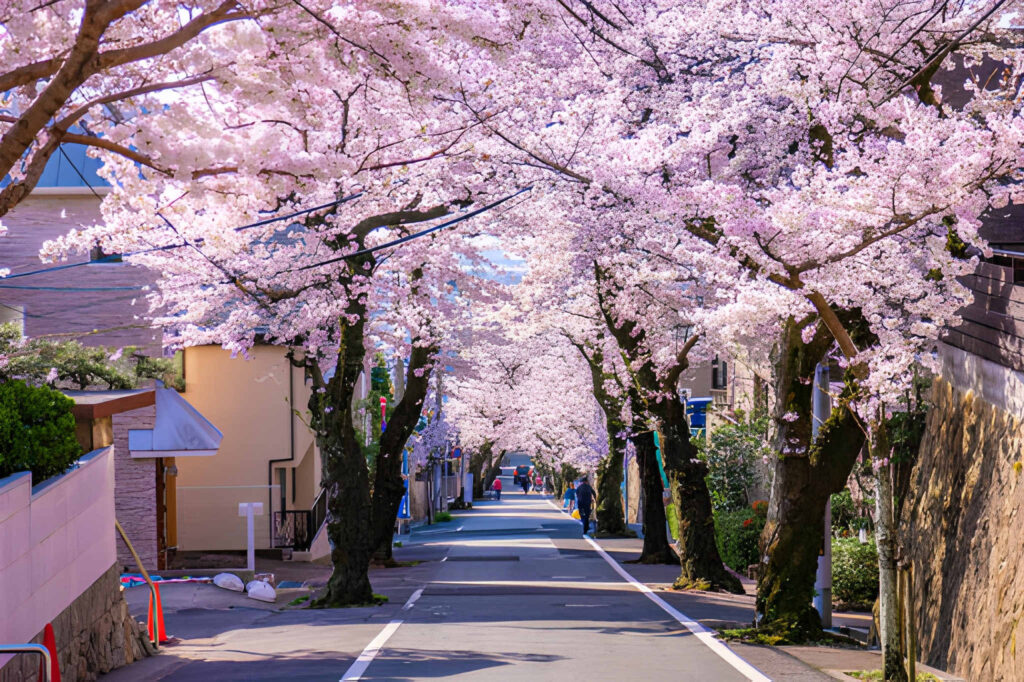
2. Learn How to Read Station Signs
Many Japanese stations display signs in both Japanese and English. Look for the train line name, station name, platform number, and directional arrows.
Train lines are often identified by a combination of letters and colors. Following the correct line symbol can make it easier to find your platform, especially in busy stations.
When searching for the right train platform in Japan, always check the destination displayed on the signs rather than relying on the platform number alone.

3. Allow Extra Time for Train Transfers
Changing trains is not always as simple as walking across a platform. Some transfers require you to follow connecting passageways, change levels, or walk through a large station.
If your route includes a transfer, allow extra time, particularly when travelling with children, carrying luggage, or navigating an unfamiliar station. During busy periods, crowded platforms and passageways can also slow you down.
4. Choose the Correct Station Exit
Finding the right exit can be just as important as boarding the correct train. Large stations may have numerous exits leading to different streets, shopping areas, hotels, and attractions.
Before leaving the ticket gates, check which exit is closest to your destination. Saving the destination’s address or map location on your phone can help you avoid unnecessary walking.
This is particularly useful when meeting a tour driver or travelling to a hotel in a busy city.

5. Know When to Ask for Help
If you cannot find your platform or are unsure about a transfer, ask station staff for assistance. Showing your destination on your phone can make communication easier.
You can also use station maps and route-planning apps to confirm your direction. If a route seems confusing, take a moment to check it instead of rushing toward a platform.

6. Consider Private Transportation for Busy Sightseeing Days
Trains are an excellent way to explore Japan, but they may not be the most convenient option for every itinerary. Travellers visiting several attractions in one day, travelling with family, or carrying shopping bags may prefer the comfort of private transportation for certain journeys.
A private tour can also make it easier to visit destinations outside major city centres without managing multiple train connections.

Explore Japan with Xplor Japan
Understanding Japan’s train stations can make independent travel much easier, especially in busy cities. For travellers who prefer a more convenient sightseeing experience, contact Xplor Japan to explore private tours and transportation options tailored to your itinerary, group size, and destinations.